
Small Business Marketing
Web Design for Restaurants
Hungry people don’t read websites. They tap the menu, check tonight’s hours and grab a table, so that’s exactly what we build your site to do first.
What our clients say
Trusted by small businesses


What does a restaurant website need to do well?
Get a phone-holding, half-decided diner to the menu in two taps, show hours that are actually current, and keep the reserve and order buttons above everything else. Photos of the plates and the room close the decision. Everything else on the site is a distant second to those jobs, and mobile comes first because the hungry are holding phones.
The hungry visitor gives you two taps
Somebody on a sidewalk, or on a couch at 5:40 with no plan, is choosing between you and one other place. They will not read your story page first, and they feel zero guilt about that. Your site gets seconds, and it wins or loses on five things:
- The menu, two taps from anywhere: real text on a real page, readable one-handed
- Hours that are true today: including the holiday Monday you’re closed
- Reserve and order up top: the two buttons that turn a looker into a cover
- Photos that settle it: the plate and the room doing the final persuading
- Directions and parking in one tap: the last small doubt before they commit
That’s the entire job on a phone, where nearly all of your visitors are standing. The desktop version is a nice bonus for the anniversary planners.
The PDF menu is quietly costing you covers
A PDF menu was convenient to upload once, and it’s been taxing you ever since. On a phone it loads slowly, lands sideways and demands pinch-zooming through a document designed for print. Some share of hungry visitors give up at that moment, and the worst part is you never see it happen. The table they didn’t book just sits there. Watch someone attempt it at a bus stop once and you will never upload another one.
A real text menu fixes the human problem and the machine problem at the same time. Google can read it, which is how you surface when someone nearby searches a craving, the dish plus the town, rather than your name. It’s one reason your local visibility and your site have to agree with each other. And when a dish changes, you edit a line instead of exporting a document, so the menu online is the menu on the table tonight. Specials, seasonal swaps and the dish you ran out of all stay current without a call to a web guy.
What the site does on Friday, what it does on Tuesday
A full Friday hides the real economics of a restaurant. The quiet nights decide the month, and the website works those two shifts differently:
| Friday’s shift | Tuesday’s shift |
|---|---|
| Convinces a brand-new diner in thirty seconds | Reminds a regular you exist at 4pm |
| Menu, photos and the room do the selling | The specials page and tonight’s event do |
| The reservation button captures demand | The email and text list creates some |
| Traffic arrives from searches and your profile | Traffic arrives because you summoned it |
The signup box on your site, with an honest reason to join attached, is how Tuesday’s tool gets built while Friday pays the bills. Most restaurant sites only work the weekend shift. The quiet half of the week is where a website earns its keep, because Friday mostly fills itself.
Shoot the room once, feed the site for a year
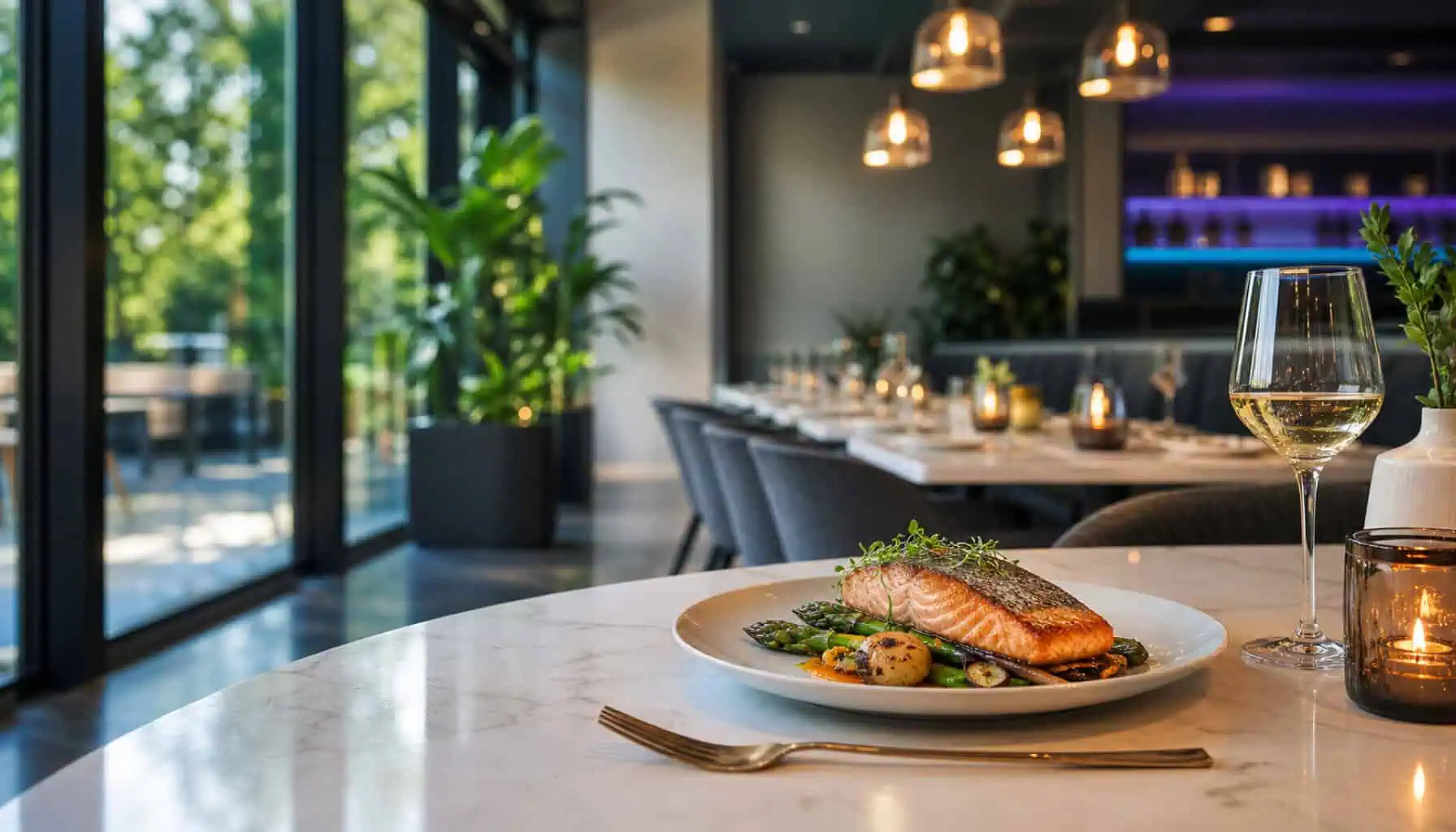
Food photography is the one line item we push restaurant owners not to skip. The plates, the bar, the room half-full at golden hour: those images carry the homepage, the menu highlights and every event page you’ll ever publish. People eat with their eyes long before they taste anything, and a dim phone photo sells a dim room, no matter how good the kitchen is. One afternoon with a photographer, timed for the light you actually serve in, beats a year of flash photos snapped during the rush.
If you host private events or run catering, that page earns more per visitor than any other on the site, so it gets real treatment instead of a paragraph. A short request form asking the date, the headcount and the occasion starts that conversation warmer than a round of phone tag ever could. This build suits the independent spot where the owner knows the regulars by name. The wider restaurant playbook is a free call away, about twenty minutes, and you can book it here.
The BAO Method
A proven, transparent process, not a black box.
1. Discover
A free call to understand your goals, market and what’s holding growth back.
2. Plan
A custom plan: the exact channels you need, scoped to your budget.
3. Build & Launch
We build and launch it for you: site, campaigns and systems.
4. Grow & Report
We optimize monthly and report on the metric that matters: leads.
Why work with Business All In One
All-in-one
One partner for every channel, no juggling vendors or finger-pointing.
Done-for-you
You run your business; we run the marketing, end to end.
Industry-proven
Real results since 2017 across the trades and local services.
No lock-in
Clear scope, transparent monthly reporting, month-to-month.
Frequently asked questions
Google already shows my hours and menu. Why keep a website?
The profile is rented space run by Google’s rules, with every competitor one scroll away. The site is where the ordering link is yours, the private events sell, and the regulars list grows. They work as a pair: profile for discovery, site for everything after. You need both, and only one of them is yours.
Should online ordering run through the apps or my own site?
Both, used deliberately. The apps find you new mouths and charge heavily for the introduction. Your site’s direct ordering link is where you steer the regulars, your best customers at your best margin. Print the QR code for your own ordering page on the takeout bag and the shift happens on its own.
How do I actually build the regulars list from the site?
Give a reason, not a field. A new-dish heads-up, a Tuesday-only offer, first word on wine dinner tickets. One honest reason to sign up beats a bare newsletter box by a mile. Put the signup where the menu traffic already is and it grows on its own.
How current does the online menu have to be?
Same-day. A diner who picked you for a dish your site promised and the kitchen dropped forgives that exactly once. A text menu makes the edit a thirty-second job, which is precisely the point of having one.
Is a reservation system worth it for a small room?
If a no-show hurts, yes. Even a simple book-a-table flow with confirmations cuts the ghosts, and every name it collects feeds the same list that fills your Tuesdays. The data also tells you who came back, which no paper book ever did.
Related
Sites are built to pass Core Web Vitals and to meet Google’s page experience guidance.
Ready to grow?
Book a free, no-pressure discovery call. We’ll map the right plan for your business in about 20 minutes.